

Planning a city break to Krakow?
You don’t need 47 tabs open. You don’t need a spreadsheet. And you definitely don’t need to cram Auschwitz, Zakopane and the entire centre into 48 hours.
What you do need is a plan that flows: iconic sights first, neighbourhood atmosphere second, and enough breathing room that the city still feels romantic — not rushed.
Below is a realistic 3-day itinerary focused on things to see and do (with food/drink kept as optional add-ons).
Day 1 — Royal Krakow: Old Town + Wawel + River Walk
Morning — Old Town, before the crowds
Start early (ideally 8:00–9:00). The centre is at its best when it’s quiet: soft light, empty streets, and you can actually feel the history.
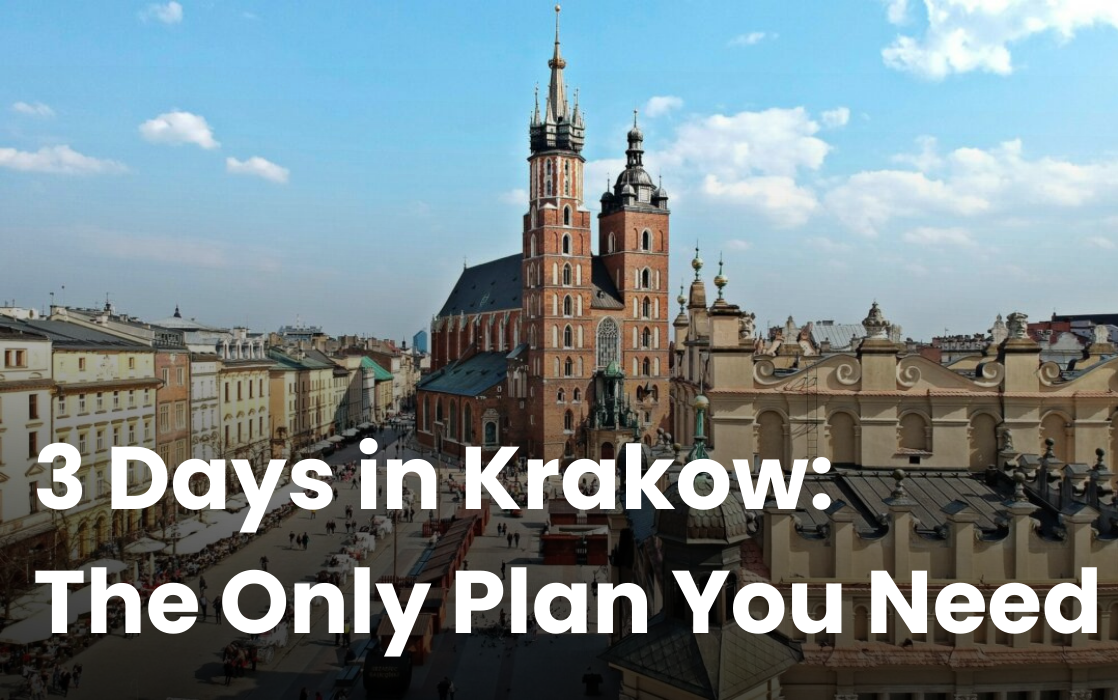
- Begin at Main Market Square (Rynek Główny) — one of Europe’s largest medieval squares. Don’t just “tick it off”: walk a full loop and notice the details (arcades, old façades, carriage lanes, street musicians warming up).
- Step inside St. Mary's Basilica — it’s worth it for the interior alone (gold, colour, scale). If you’re into art, take your time here instead of rushing to the next stop.
- Walk through Cloth Hall (Sukiennice) — even if you skip souvenirs, the building itself is the point. If you’re curious, pop into the upstairs gallery (short visit, strong impact).
- Do the “green ring” of Planty Park — it circles the Old Town where the medieval walls used to be. It’s the easiest way to reset your brain between monuments.
Optional culture stop (pick one, not both):
- Jagiellonian University area for that old-academic vibe (courtyards, quiet streets, bookish energy).
- National Museum in Krakow if you want a museum anchor early in the day.
Midday — Wawel, properly (inside, not just photos)
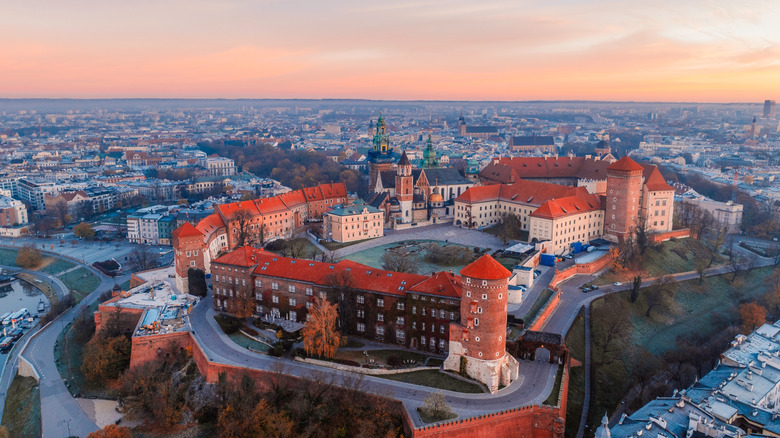
Walk up to Wawel Castle and go in. This is where Krakow shifts from “pretty” to “powerful.”
Do it in layers:
- Courtyards first (set the scene, great architecture angles).
- State interiors (if you like history, symbolism, royal objects).
- Wawel Cathedral for the spiritual + national-history core of the complex.
Pro tip: this is the one area where planning helps. Tickets can be timed/limited depending on the section and season — decide what you care about most and commit to that, rather than trying to “see everything”.
Late afternoon — decompress by the river
From Wawel, head down to the water and follow the path along the Vistula River. It’s the best “soft landing” after heavy sightseeing: views, open space, and a calmer pace.
Evening — gentle nightlife (optional)
If you want a polished first night out, choose one bar and one “walk” rather than club-hopping. The goal is to stay energised for Day 2.
If you do want specific picks:
- Dinner: Karakter, Nolio, or Norma
- Cocktails: TAG or The Artist Cocktail Bar
- More casual/student vibe: Betel, Banialuka, Albo Tak
Day 2 — Neighbourhood Krakow: Kazimierz + Podgórze + the museums that hit
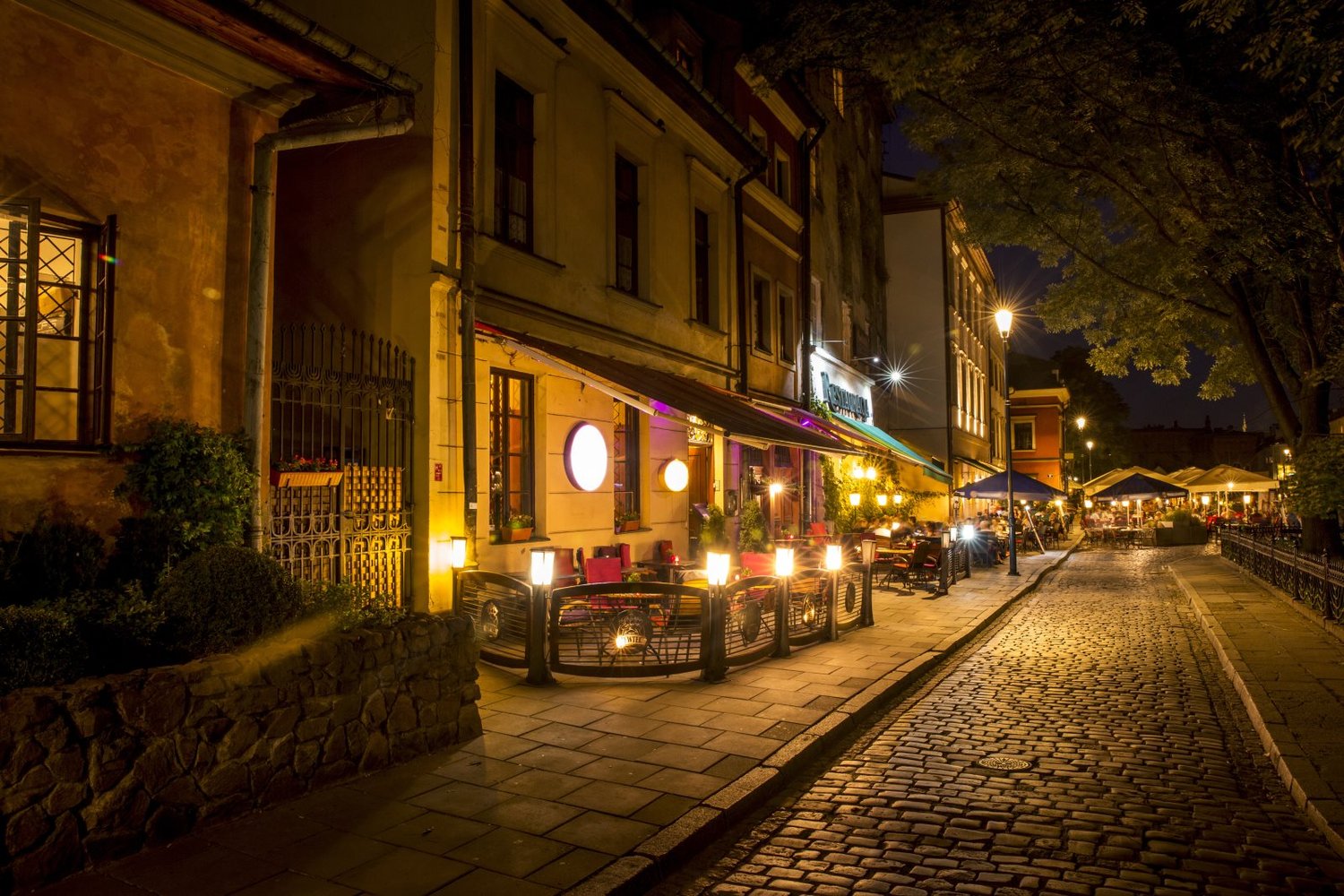
Morning — Kazimierz (the soul of the city)
This is the day you stop “touring” and start experiencing Krakow.
Walk slowly. Let the streets do the work:
- Start around Plac Nowy — the neighbourhood’s heartbeat.
- Pick 1–2 synagogues rather than trying to speed-run them:
- Old Synagogue (history-focused, museum-style)
- Remuh Synagogue (atmosphere + heritage)
- Tempel Synagogue (beautiful interior)
What to look for here: inner courtyards, worn staircases, hand-painted shop signs, street art that isn’t trying too hard. This is Krakow’s most “lived-in” beauty.
Optional coffee stops (if you want named places):
Meggido, Cafe Manggha, Tociekawa
Afternoon — cross to Podgórze
On the other side of the river, the vibe changes: wider streets, more quiet corners, and a different layer of WWII history.
This is the best “museum pair” in the city (close together, emotionally and intellectually strong):
- Oskar Schindler’s Factory Museum — essential. It’s immersive and story-driven, not just “objects in cases.”
- MOCAK Museum of Contemporary Art — modern, often thought-provoking, and a great counterbalance after heavy history.
Then take a slow walk through Park Bednarskiego — it’s one of those local-feeling places tourists often miss.
Sunset — the best viewpoint most tourists skip
Climb Krakus Mound for sunset. It’s simple, quiet, and the panorama makes the city “click” in your head — Old Town in the distance, neighbourhoods spreading out, and a sense of Krakow as a real, living place.
Night — choose your energy
If you want nightlife, pick the vibe before you go out:
- Classy / curated: Hedwig's, The Trust
- Fun + games: Retro Bar
- Clubs: Prozak, Pauza, STK47
Day 3 — One “big” experience (or slow Krakow)
Option A — Auschwitz-Birkenau Memorial and Museum (heavy but important)
This is not a “quick trip.” It’s emotionally demanding, and it deserves space.
- Travel to Oświęcim and plan for most of the day including transport + entry.
- Book early in peak season.
- Keep the evening light afterwards (walk, quiet dinner, early night). Don’t stack another intense attraction on the same day.
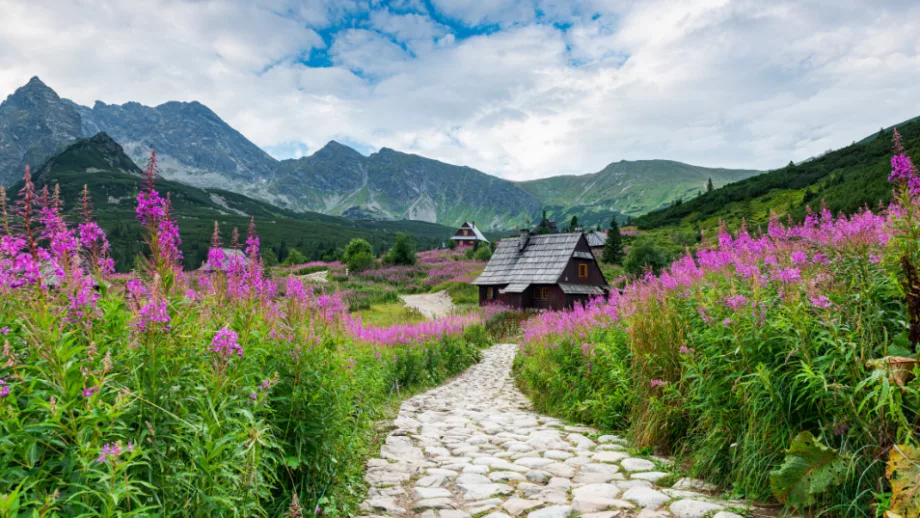
Option B — Zakopane (mountains + a totally different Poland)
If you want contrast: this is the “postcard shift.” Wooden architecture, mountain scenery, and that highland culture feel.
It can be crowded and pricier (especially winter/weekends), but it’s a completely different experience than the city — good choice if you want nature energy.
Option C — stay local and go slow (highly underrated)
If you want a calmer third day that still feels “full”, do one nature spot + one viewpoint:
- Las Wolski for forest walking and fresh air
- Jagiellonian University Botanical Garden (best in spring/summer)
- Explore Dębniki for a quieter, local side of the city
- Choose one mound viewpoint: Kościuszko Mound or Piłsudski Mound
Sometimes the best Day 3 isn’t “more attractions.” It’s letting the city land.
Practical tips that genuinely save time
- Airport train → Kraków Główny is the easiest arrival for most people.
- Public transport: Jakdojade is the simplest way to plan routes + tickets.
- Rideshares: Uber / Bolt are usually affordable; compare prices quickly.
- Krakow has a night alcohol sales ban in shops (midnight → early morning), and jaywalking on a red light can actually get you fined.
Why this plan works
It’s built around a simple rule: one “anchor” per day, then atmosphere and flexibility around it.
You get:
- The iconic centre without crowd-stress
- The most meaningful museums without overload
- Neighbourhood Krakow (the part people remember)
- One optional “big day” — or a slow local finish
And if you want the “done-for-you” version — 100+ curated spots, categories, mini day structures, hidden viewpoints, and an offline-friendly format — that’s exactly what your full guide is for.
Because 3 days in Krakow can be unforgettable.
But it’s much better when it’s structured.